


The 7 Best Languages for App Development in 2022

There are more than 6,900 languages in the world, but only a handful are used to create apps.

Knowledge of these languages will allow you to be more employable with app development skills.

The best languages for app development are among others:

1. Swift (for Apple devices)

2. Java (for Android devices)

3. Objective-C (for both iOS and Android)

4. C++

5. C#

6. Python

7. JavaScript.

Top 7 best languages for app development

With the rise of the mobile app market, it’s no wonder why more and more people are looking to create apps of their own. With so many languages and frameworks out there, it can be hard to know which one will work best for you. This quick guide has all the information you need about the 7 best languages for app development. From Swift to Kotlin, we will give you an overview of each language and what makes them stand out. This is your one-stop shop for all things app development.

Swift (for Apple devices)
Swift (for Apple devices) the Best Language for App Development

Swift is a programming language by Apple, originally designed as a successor to Objective-C. It has been used since 2014 as a replacement for Objective-C in most Apple products.

Swift is a general purpose programming language, with modern features targeting desktop and server development. Swift’s syntax is based on that of Objective-C, but it introduces many changes to the original Concepts from that language.

Pros

Swift is a programming language for iOS and macOS app development. Swift is a general-purpose programming language, but was designed with the Cocoa and Cocoa Touch frameworks in mind, making it very effective for developing iOS apps.

There are several reasons why Swift is a good choice for app development:

  • Swift uses less lines of code than other languages to do the same job.
  • The syntax is easy to learn by following rules that are similar to other languages like Java, C++, and Python.
  • It has many powerful features like type inference, generics, closures, fast compile times, and more that make coding simpler and faster than it would be otherwise.
  • The compiler is really intelligent so it can catch errors quickly during compilation rather than you having to run your code before it finds any errors which would cause delays in development time later on in the process.
  • There are great online resources available to help you learn how to use Swift efficiently including books about Swift or courses through Stanford University’s open courseware or MIT OpenCourseWare (OCW) project (www.ocw.mit.edu).

Cons 

Programming in Swift is not always easy.

The learning curve for this language is much higher than other programming languages, which means it will take much longer before you’re able to create an app.

The code for Swift also tends to be more verbose and can sometimes be more difficult to read. This is because the language was designed with safety in mind and reads like English.

Swift has much stricter type-checking than other languages, so if your code doesn’t match the type you set, an error will occur preventing you from compiling the app.

Lastly, due to Apple’s tightly-controlled ecosystem, Swift is exclusively limited to iOS development, meaning that there’s no way for developers who work on Android devices to use this language.

Java (for Android devices)
The Best Language for App DevelopmentJava (for Android devices)

Java is one of the most popular programming languages in the world. It’s also widely used for mobile devices.

Java was created by Sun Microsystems in 1995. There are many reasons why it’s useful for app development:

1. Java is a general-purpose language, meaning it can be used for a wide range of purposes.

2. It offers portability across different platforms and operating systems because it can run on any system with a JVM (Java Virtual Machine).

3. It’s object-oriented, which means you can write software that uses objects to represent things or actions in your program—so, if you wanted to create a car in Java, you could create a car object and use it to interact with other pieces of code inside your program.

Pros

Java is a programming language that was designed to function well with the Internet and its security needs. Java is one of just a handful of languages that can be used to develop apps for Android and iOS devices, and it’s the most popular language for application development.

The pros of using Java as your programming language include:

  • It’s object-oriented
  • Its syntax is similar to C++, C#, and more
  • Its code is easy to read
  • It has a large digital library (available online)

There are many reasons why you should learn Java programming. Learning this language will help you get better at app development and make more money in the future.

Cons

Java is a programming language that was created for the Java platform to enable programmers to build and use objects.

Java is very popular, but not without its disadvantages. Java is often criticized for being overused and bloated, which can make it run slowly. This is especially true if you are developing an app for an older cell phone. With this in mind, you may want to explore other languages, such as Swift or C++, which are newer and more efficient.

Java also requires developers to use large amounts of code just to do simple tasks, which can be frustrating for less experienced programmers who are just getting started with the language.

Objective-C (for both iOS and Android)

Objective-C (for both iOS and Android)

Objective-C is a general-purpose, object-oriented programming language that adds Smalltalk-style messaging to the C programming language. Objective-C is an object-oriented language that features dynamic typing, partial typing, named parameters for methods and function calls, numerous data types including objects, structs, arrays, strings, etc.

Objective-C was originally developed in the 1980s by Brad Cox and Tom Love at Stepstone (now part of Novell). It was created as an extension of the C programming language to support OOP (object oriented programming) techniques.

It supports both OS X and Windows OS’s.

Pros

  • Objective-C is a powerful programming language that was developed to work on both Apple and Android devices.
  • Unlike Swift, Objective-C does not have a runtime library, meaning that the software has to be compiled before it can run. Because of this, Objective-C is considered a lower level programming language.
  • Objective-C is object oriented and supports procedural programming as well as functional programming.
  • It also allows for inheritance from parent classes, which make it easier to build upon other people’s work without having to start from scratch.

Cons

Objective-C is a difficult language to learn. In order to become an effective programmer in the language, you have to know a lot of different concepts and commands.

You can’t do as much with Objective-C as you can with other languages. There are not a lot of options for developers when it comes to using this language, so if you want your app idea to be successful, it has to be simple enough for the Objective-C programming language.

Some say that it’s not as efficient as other languages. For example, Java is more efficient because of how it handles memory allocation.

C++

C++ is one of the most popular programming languages in the world.

It is the language that’s used by many game developers and software engineers.

It’s also great for beginners too, as it has object-oriented capabilities, which makes it easier to learn.
C++ the best language for app development

Pros

C++ is a general-purpose programming language that has been around for more than 40 years. It’s still used by students to learn programming, and it’s one of the most popular languages among professional software developers.

C++ has powerful features that allow you to find bugs quickly and produce high-performance code. It is often used in cases where speed is essential, such as video games or operating systems. One feature, const, allows you to define immutable values at the time of definition rather than when they are used for the first time.

Another plus for C++ is that it supports both object-oriented programming and procedural programming styles, which makes it easy to switch between them depending on your needs. C++ also offers better support for inline assembly than other languages like Java or Objective-C do.

Cons

C++ is an object-oriented programming language that was developed in 1980. It offers many benefits, but it also has disadvantages.

There are positives to C++, like the ability to create more secure code and debug errors quickly. However, it can be difficult to find programmers who know this language and it is less user-friendly than other languages.

Additionally, not all web browsers support C++, which makes it difficult for programmers to use this language for web apps.

It’s also worth noting that C++ cannot run on devices with a low system RAM (random access memory). The only benefit of this is that the app will be much faster if it does work on these devices!

C#

C# and Python are two popular choices among app developers, but they’re not as common as the other languages. If you want to learn a new language and need some guidance, these two will give you the best return on your time investment.
C# the best language for app development

If you’re an app developer looking for a new challenge, C# is a formidable choice. It’s one of the most common programming languages in the world, and it’s used by Microsoft. You can use C# to write programs for all Windows devices as well as for apps in Windows Phone and Xbox One.

Python is one of many popular programming languages used by app developers. It is also designed with usability in mind and is supported by a large user base. You can use it to develop cross-platform apps and games on iOS and Android devices. It’s also powerful enough to be used in web applications, machine learning projects, data science problems, hardware interfaces – basically anything you want!

Pros

If you’re looking for a language that’s easy to learn, has an efficient syntax, and is open source then the C# programming language might be a good choice.

C# is a general-purpose object-oriented programming language created by Microsoft designed for building a variety of different applications. It was released in 2000 as a successor to another Microsoft language called C++.

C#’s features include:

  • Powerful object-oriented programming capabilities
  • Support for multiple languages 
  • Support for libraries of code written in other languages, such as C++ and Visual Basic .NET 
  • Support for multitasking and multithreading
  • Garbage collection

Cons

The C# language is an object-oriented programming language developed by Microsoft. It is currently one of the most popular languages used to develop apps for Windows, Android, iOS, and many other devices.

C# has a great deal of similarities to Java in syntax and structure. However, it does have its own unique aspects.

One downside to this programming language is that it lacks a large community of developers and programmers who can help enhance the code or provide support. This means that if you are looking for more information on how to use this language, you will not find as much readily available information as you would with another language such as Java.

Python

Python is a great language for app development because it’s both easy to read and learn. Python is also very popular among developers, which means there are plenty of resources available to help you out as you develop your skills.
Python
Python

It’s also cross-platform, so you can use it on either iOS or Android devices without having to switch languages.

Python has a ton of libraries that make it easier than ever before to build the perfect app. Some of these libraries include:

  • Xcode (for iOS) 2. Interface Builder (for Android)
  • REST API
  • WebSocket API
  • SQLite3

Pros

Python is a general-purpose language that is easy to learn and has a user-friendly design. Python, in many ways, can be viewed as the “staircase” of programming languages. It has been designed to make your programming journey easier and more intuitive.

The language is interpreted rather than compiled, which means it executes one line at a time rather than all at once. This makes developing with Python a lot quicker and simpler- not to mention that it’s also free!

Python was built with the beginner in mind, so you won’t have to worry about any confusing parts of the code when you’re just starting out. Developed by Guido van Rossum, Python was first presented publicly on December 2, 1989. Those who have learned this programming language have praised its simplicity and readability. 

Cons

The benefits of this language are many, but it’s not without its drawbacks.

Python is a good language for beginners to learn because it has fewer rules and is easy to read. You can create programs with fewer lines of code, which reduces the time needed for coding.

However,this language isn’t suitable for large-scale projects. For this reason, you need to know another programming language, like Java or C++.

Additionally, if you work in an academic setting or want to use this language in your research or data analysis project, you’ll find that there are very few libraries available to help with these tasks.

JavaScript

JavaScript is a high-level, interpreted programming language that is primarily used for client-side scripting on web pages. It has been standardized in the ECMA standardization committee.
JavaScript the best language for app development

The language was originally developed by Brendan Eich of Netscape Communications to allow programmers to reuse code that had already been written. This allowed programmers to focus more on the design of the application instead of writing code from scratch.

The language was originally known as LiveScript until version 1.0 where it was renamed NetScape JavaScript due to trademark issues.

Pros

  • The language is relatively new and therefore less ‘dated’ than other languages
  • The language is supported by the most popular browsers, including Microsoft Edge, Apple Safari, Google Chrome, Mozilla Firefox etc.
  • It’s a versatile language that offers you to build apps with backend dynamism and frontend complexity.
  • It has a vast community of developers and programmers who are willing to help beginners in their journey of learning the language.
  • JavaScript is easy to learn as it doesn’t require any formal education and basic computer/web knowledge is enough to start programming in it.
  • The language can be used for web development but can also be used for desktop app development which makes it a highly flexible language for various purposes.

Cons

  • JavaScript is not a compiled programming language, meaning that it cannot be easily changed and updated.
  • It’s difficult to find qualified developers who know JavaScript.
  • There are many cross-platform programming languages available (e.g., Java, iOS, Android).

Conclusion

Developing apps has become a big business in the past few years. There are a wide variety of mobile operating systems out there, and new ones coming out all the time. With more than 2 million apps available on app stores worldwide, it’s important to know which languages are most popular for developing apps.

However, Designveloper is excited to help you become the newest technology pioneer. We provide all of the services needed for any size business and more! Make sure we get in touch with our team if you want an estimate or just some advice on how your company can take advantage of this new field.

The post The 7 Best Languages for App Development in 2022 appeared first on Designveloper.


December 28, 2021 at 04:09PM

Share:

Top iOS app development companies in Vietnam in 2022

In the past decade, app development has become one of the most profitable industries in the world. In fact, it’s expected to grow even more as time goes on. The current app industry is valued at $200 billion USD and is growing by 20% each year. With an increase in demand and the sheer number of companies pushing out apps, finding a reputable company to work with can be difficult.

Whether you have been thinking about creating an app, already have one on the market, or just want to find out more information on what it takes to get started with an iOS app development project, this is the article for you. In addition to identifying some of the most important qualities of a good iOS app development company in Vietnam, we list our top 10 choices for your consideration.

Why you need an IOS app development company

Why you need an IOS app development company

It is possible to make your own app, but it requires a lot of know-how and technical knowledge. This is why it is not a good idea to try to create an IOS app on your own – you need the expertise of a team of experts.

Before you start looking for potential candidates, you should ask yourself some questions. What do you want from your iOS app development company in Vietnam? 

  • Do they have experience working with an iOS platform? 
  • Do they have any testimonials or reviews? 
  • What prices are they charging? 
  • And more importantly, what will be their process for developing your application?

It is important that the company understands how the app will work and has a plan for completing the project. It can be difficult to complete a project without a clear plan – many developers will get lost in the details and spend too much time focusing on one aspect of the app while neglecting others. You need someone who understands all aspects of the app and how they relate to each other.

You also need to find out about their credentials and check if they have been involved in any big-name projects before.

What makes a good app development company

The first thing you want to look for in an iOS app development company is experience. You want to ensure that they have a proven track record of success with different companies.

It is also important to note that some app developers work with businesses just starting out, while others are more focused on helping established brands grow. Some companies specialize in certain types of apps, like games or dating apps, while others do it all. The key here is finding the best company for your needs.

The next consideration is the size of the company. If you are unsure of how big your app will be, you may want to go smaller because they can be nimbler and more flexible than large firms. Bigger firms, on the other hand, tend to offer more resources and more specialized expertise across a wider range of projects.

You should also consider what makes their services unique before choosing an iOS app development company in Vietnam. Do they offer outsourced assistance? Is there someone who works exclusively with marketing campaigns? Or do they provide support with advertising campaigns? There are so many options available now, so it’s worth exploring what each developer has to offer before settling on one provider for your business or personal projects.

Identify the most important qualities of a good iOS app development company

There are a few key qualities to look for when trying to find a good iOS app development company in Vietnam. The first of which is their level of experience. You want a company that has been in business for at least two years because they will have the necessary skills and knowledge to handle your project.

Next, you want to look at the customer reviews and feedback on any given company. If they have an extensive amount of positive reviews, this shows that other customers were satisfied with their service and you will likely be too.

The third quality is how well they communicate during the process. You want a company that will keep you up-to-date on what is happening by sending you progress reports and answering your questions promptly so you feel comfortable and informed about the process.

Lastly, it’s important to see what kind of technology they use for their projects. Whether it’s React Native or Cross-platform, you want to make sure that all developers are using industry-standard programs because this ensures consistency across different projects and guarantees good results every time. So here we go, the top 10 iOS app development companies will be in the next section.

InApps Technology

InApps Technology
InApps Technology

InApps Technology is a professional iOS app development company in Vietnam. With the most experienced and talented team of professionals, they have created several successful iOS apps for both personal and commercial use. They are also the only company with a 100% satisfaction guarantee for our customers. In addition to building custom apps for clients, they offer consulting services to build your own iOS app. InApps Technology pride themself on providing outstanding customer service and meeting the deadlines by communicating effectively with the clients.


Rate on Clutch*: 4.8 stars

FABA Technology

Faba Technology is a professional iOS app development company in Vietnam that has been around for over five years. They were the first company to begin offering services on the App Store, and provide a range of apps to meet all your needs.

Their apps are developed by a team of seasoned developers who have experience building games, mobile apps, and web applications. All of their projects are completed to the highest quality possible with an emphasis on user experience. They are available 24/7 and always offer convenient payment options so you can work with them anytime.

Rate on Clutch*: 4.8 stars

Adamo Software

Adamo Software is an IOS app development company in Vietnam that offers quality app development services. They provide a wide range of apps for personal and professional use.

Some of their most popular apps include “DishDash,” “eBabyCare” and “Splzy.” Their apps are available on both the App Store and Google Play.

When you’re looking for a company to develop your next iOS app, look no further than Adamo Software. They are one of the top 10 choices for your consideration.

Rate on Clutch*: 4.9 star

Designveloper

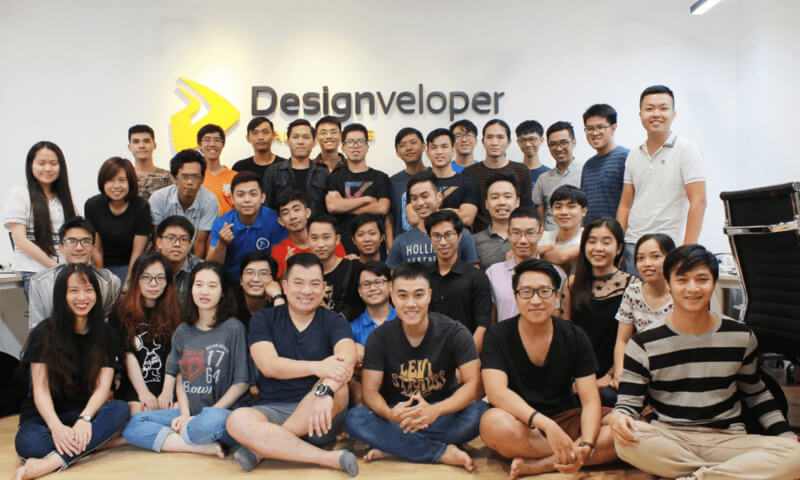
Designveloper is the leading software development company in Ho Chi Minh City, Vietnam, founded in early 2013

Designveloper is one of the best iOS app development companies in Vietnam. This company has a team of dedicated and talented professionals who are great at what they do. Their products have been developed to help people make their lives easier, better and more enjoyable.

This company offers high-quality services that are guaranteed to work for your project. You can be confident that Designveloper will meet all of your expectations when it comes to getting your app or games off the ground.

They offer a variety of services, including:

– iOS application development

– Design, UX/UI design and prototyping

– Mobile application development

– Web application design and development

– AI & Chatbot

– Brand Identity Design

Designveloper is an expert in developing apps for business purposes. They understand how important keeping up with technological changes can be, which means they know how to create an app that will last. They also provide excellent custom solutions if you don’t see something listed on their website, so you can rest assured that they’ll work with you on whatever you need them to do.

Designveloper also is the prime partner of Meteor, which is well-known as the best javascript framework for developing fully customized real-time, single page, and responsive applications. You can check them out at the top of Meteor partners page https://www.meteor.com/partners

If you are ready to get started on your next project or just want more information on what it takes to find a good iOS app development company in Vietnam, Designveloper is the best choice.

Rate on Clutch*: 4.9 stars

Tesuji 

Tesuji is a leading iOS app development company in Vietnam. They have been creating top-notch apps and games since 2012, and have already had many successful projects under their belt. In fact, Tesuji is one of the most popular mobile application development companies in Vietnam.

This company knows how to make great apps, whether you are looking for an app that helps you to make money online or just want to learn about what it takes to create an app. Besides being able to develop effective apps for your business, Tesuji will also provide the best quality services at an affordable price.

Rate on Clutch*: 4.6 stars

Groove Technology

Groove Technology is providing cutting-edge software development services through a unique, integrated resource model that helps intelligent businesses maximize opportunities, ensure staff wellbeing and increase profits. The company also exists to help your business meet every challenge and opportunity head-on with a scalable systems approach. What’s more? Your business will constantly change like no other!

Rate on Clutch*: 5.0 stars

JANETO

JANETO is a software company with business focused on web and mobile development. They are capable of helping you understand what your idea needs to become, taking it from blueprint to reality. With the extensive capabilities and top-quality resources, they streamline all the project requirements into easily digestible chunks for an enjoyable experience at every step of the process! A key focus is dialogue between our clients, so that they can work alongside us in realizing their vision by providing feedback along the way.

– Knowledgeable team of app developers.

– Focus on quality, not quantity.

– Capability to perform high-quality work quickly and efficiently.

– Timely execution of project.

– Outstanding customer service.

Rate on Clutch*: 4.5 stars

PowerGate Software

PowerGate Software Team

PowerGate Software is the most trusted app development company in Vietnam. With a team of experienced developers, they focus on designing and developing unique apps that provide amazing user experiences.

For over a decade, PowerGate has been consistently producing successful apps for all different types of businesses. They offer both custom and ready-to-use software solutions for all your needs, from mobile apps to websites.

PowerGate also offers training courses for any level of expertise. They can even meet you at your office to walk through the installation process and work with you on learning how to use their software efficiently.

If you’re looking for an IOS app development company in Vietnam, look no further than PowerGate Software.

Rate on Clutch*: 5.0 stars

Savvycom Software

Savvycom Software is a company that specializes in iOS app development for both individuals and businesses. They provide state-of-the-art technology with expert professional team members who are committed to customer satisfaction.

We offer full-stack service of Web, Cloud & Mobile App Development, IT Outsourcing, DevOps, and IT Maintenance Services.

Rate on Clutch*: 4.9 stars

CO-WELL ASIA

CO-WELL ASIA Team
CO-WELL ASIA Team

CO-WELL ASIA is a leading IOS app development company in Vietnam that has been creating apps for over 10 years. They are reliable, efficient, and seriously know the job. CO-WELL ASIA has experience developing everything from banking apps to social media applications; this means you get the best of the best when it comes to your money! In fact, their client’s list includes some of the biggest names in the business including Heineken, Aeon, and Idom INC.

While CO-WELL ASIA does a lot of work in Asia (Vietnam included), they also have offices in Japan. This allows them to be easily accessible no matter where you are located.

So if you’re looking for an iOS app development company that is going to give you stellar results while giving you a break on price, then CO-WELL ASIA should be at the top of your list!

Wrap up

From apps that help you to make a living, to those that aid in your daily life, there are so many great apps for both personal and professional use. But choosing the right iOS app development company is difficult. The Vietnamese market for IOS app development is growing rapidly, with large companies from all over the world coming in to see what Vietnam has to offer. This article will help you find the perfect company for your needs and provide you with top-notch service that is second to none.

If you are in search of a company that does iOS app development, we would be more than happy to work with you. We have successfully completed many projects for years such as LuminPDF, Swell, and Walrus Education among other successes. You can tell us your idea and we will create it into reality..

The post Top iOS app development companies in Vietnam in 2022 appeared first on Designveloper.


December 28, 2021 at 02:47PM
from Desigveloper https://ift.tt/3sBKTlp
Share:

Mobile App Development Process: 9 steps every entrepreneur should know

Entrepreneurs are always looking for ways to improve their business and find new ways to reach their audience. Mobile app development is quickly becoming the way of the future, with apps becoming more and more prevalent in our society. As more people use mobile apps, they’re also becoming a necessity for small businesses. With mobile app development being so important, it’s important you know all about it! Here are 9 steps every entrepreneur should know about a mobile app development process:


1. Finalize your mobile app idea

2. Choose the best mobile app features

3. Describe the project requirements

4. NDA Signing

5. Design the app

6. Testing the app

7. Launching your app

8. Maintaining your business after launch

9. Submit on the app store

The importance of mobile app development process

Not only are mobile apps becoming more and more prevalent, they're also becoming a crucial part of your business.
Not only are mobile apps becoming more and more prevalent, they’re also becoming a crucial part of your business.

For instance, an average small business with a mobile app can expect to have an increase of up to 400% in revenue within the first year of development. It’s important that you know all about mobile app development because it’s going to be such a big investment for your company!

As you begin the process of developing a mobile app for your company, 9 key steps are sure to help you get started. Here are some general steps every entrepreneur should take when starting their mobile app development process:

Step 1: Finalize your mobile app idea

Before you start, you need to know what your app is going to be. What are the key features and functionality? How will it benefit your audience? Once you have an idea of what your app will be about, it’s important that you finalize this idea.

This helps ensure your project requirements are clear, which in turn gives a clearer understanding of how long it’ll take for you to build the app. And don’t forget to include all of the different platforms on which you want your app to exist; if possible, make sure they’re compatible with each other as well.

Once finalized, finalize design elements by creating wireframes or mockups. This helps give a visual representation of what the finished product will look like, as well as its layout and overall function.

How to come up with an idea for a mobile app?

As an entrepreneur, you know the value of a mobile app. With the increasing popularity of apps in our society, it’s important to know how to come up with your own idea for a mobile app.

Here are some ideas that can help you come up with an idea for your mobile app:

1. Develop a mobile app idea that has been requested by your audience

2. Consider what problems your business solves and then develop an app that addresses these problems

3. Develop an idea for an app that is unique and doesn’t exist yet

4. Develop a business-related app based on trends in the market today

5. Consider ideas from other apps and explore ways to improve them

6. Consider developing apps based on your company’s products or services

7. Review apps from existing developers who are trying to expand their audience and implement changes/improvements

Step 2: Choose the best mobile app features

With all the different types of apps out there, it can be tough to choose what features you need. If you need help deciding, here are a few questions that may help:

  • What is your ultimate goal?
  • Is this app just for business or personal use?
  • Do you want to build an app that reaches a wide audience or one that’s only used by a small group of people?
  • Is this app mostly text-based or will it have graphics and videos?
  • How much money do you want to spend on this project? Are there any budget restrictions?
  • Do you want the app to be developed in house or do you want an outside company to develop it for you?

How to find the right features for your app?

There are many different types of apps out there, but what are you looking for?

A social app might include features like private messaging, a news feed, and the ability to follow others. A fitness app could include features like workout plans, step tracking, and progress reports.

As you choose potential features for your app, it’s important to keep in mind what you’re trying to accomplish with your app.

If you’re just looking for an easy way to order food next time you head out to dinner or get a taxi on your phone, then it’s best that you stick with simple features and don’t spend too much time thinking about the possibilities of your app. However, if you’re planning on taking your business to the next level and launching an app that will let customers track their orders from start to finish and reorder as they go along, then you should consider more complex features.

The point is finding the right feature set for your mobile app development process is key!

Example for an E-commerce mobile app’s features:

  • Sign-up and login
  • Onboarding
  • Splash screen
  • Navigation
  • Image galleries
  • Forms
  • Social media integration
  • Social Feeds
  • Product menus
  • Shopping carts and payments
  • Loyalty cards
  • Booking systems
  • Calendar integrations
  • Push notifications
  • Native video
  • Native maps
  • Device hardware access
  • App analytics

Step 3: Create a Product Requirements Document

Create a Product Requirements Document
Create a product requirements document

This will be a great post for small business owners. There are many things that can be done to make your mobile app development process launch  successfully, but one of the most important is making sure you have a Product Requirements Document (PRD).

A product requirements document is a form of technical writing that is used to outline the requirements and specifications necessary for the development and production of a software application. 

The document is split into multiple sections, such as:

  • Purpose and Goals
  • Business Requirements
  • User Experience Requirements 
  • Functional Requirements
  • Nonfunctional Requirements  
  • Usability Testing Plans, Compatibility Testing Plans, and Implementation Approach  

The document should convey what’s most important to the business behind the app, what they want from their users, and build a shared understanding on all sides about this project before any development begins. A strong PRD sets a clear path for developers to follow – one that ensures this app will be successful.

But what should you put in your PRD? And how do you write one? Read more

Step 4: NDA Signing

While you aren’t a lawyer, it’s important that you have an idea of what a NDA is. A non-disclosure agreement, or NDA, is a legal document which covers the details of your business or your app and how it will be operated. It protects confidential information from being leaked to any third party.

A non-disclosure agreement, or NDA, is a legal contract between two parties. It can be used in a variety of situations, from sharing sensitive information to protecting intellectual property. In the world of app development and coding, NDAs are often used to protect the work of the developers and designers. If you’re looking for an experienced and professional app developer and don’t know where to start, here are some things you need to know about app development NDA agreements.

To start off, you should determine the length of your NDA. For example, if your project requires 4 months for development and testing, then an 8-month NDA would be appropriate. If you need 1 year to complete the project, then an 18-month NDA would be necessary. The number of months or years required will depend on the complexity of your project and the amount of information that needs to be protected.

Once you have determined what type of NDA is needed for your project, consider who would be signing it. 

  • Will everyone involved with the project need to sign? 
  • Will just one person need to sign? 
  • How many people will each individual sign for? 
  • When does the signing take place?

All these questions can help you determine who needs what type of NDA and when they should sign them!


Step 5: Design the app

Once your business has decided it’s time to create a mobile app, it’s time to start thinking about the design. A solid mobile app design is vitally important for the overall success of your app. It’s what will make your app stand out from all the rest! The first step in designing an app is to decide which features you want the app to have. Do you need a GPS tracker? Do you want your users to be able to share content or pin images on their favorite social media platforms? These are just some of the questions that should be asked before you even begin to think about designing an app.

After deciding what features you’ll need, it’s time to get started with creating your design. Don’t worry—the process isn’t complicated and most people can do this in a couple hours! It may sound like a lot of work, but if you don’t take the time up front, then it’ll cost much more in the long run.

Once your app design is finished, it’s important that you test it for usability and bugs before finalizing everything so that bugs aren’t missed during launch. Testing an app also helps you make sure it’s easy enough for your users without being too difficult.

But what’s exactly things to do when designing your app, learn more about:

Step 6: Testing the app

testing-the-app
Why we have to test the app before launching

It’s always important to test your app before launching it in order to make sure it works properly. Testing your app is a crucial step for the success of your business because it will ensure that you’re delivering a quality product. It will also help you figure out how well the mobile app is performing on different devices, so you can make any necessary adjustments before launch day.

The important step in testing your app is ensuring that your design and coding are perfect. You’ll want to make sure that both are done well, especially since an app’s success depends on its user experience. You’re going to want to run tests with real users as well, so you can see if they have any issues or comments with the performance of the product.

After everything has been tested, it’s time for launch!!

Step 7: Launching your app

Launching your app is a crucial step in the process of developing one. This is the first time your business and audience will interact with your mobile app. Before you even begin development, be sure to find out the best way to release your app so that it’s accessible to as many people as possible.

There are a few options for releasing apps, like starting with an App Store launch, having an App Store beta release, or going through Google Play store.

The biggest downside of launching on Google Play store is that it requires you to push new updates every few weeks if you want to stay competitive on the market. To avoid this issue, choose an App Store launch or go through an App Store beta release.

Whether you choose to go through a beta release of your app or use an existing platform for distribution, be sure to have a backup plan in case something goes wrong during development!

Step 8: Maintaining your business after launch

After you launch your app, it’s important that you maintain your business and continue to promote your product or service. It takes time and effort to maintain an app once it’s been released. However, this is a necessary part of the process.

A good idea for maintaining your business after launch is to work with a social media management company. These companies will help you promote your business on social media and will ensure that the message gets out to new audiences. They can also help you find new ways to market and grow your audience.

Step 9: Submit on the app store

app-stores
2 most popular app stores: Google Play & Apple App Store

This is the final step in the app development process. In order to make your app available for download on the app store, you must submit on the store. This is where your app will be made available for downloading and users can purchase it. After your app has been submitted, you will be notified when it’s ready for download. The next step after submitting is promoting your new mobile app!

How to submit mobile apps on the app store?

To submit your app on the app store, you will need to go to the iOS App Store or Google Play. You can use this guide for help:

https://ift.tt/3pngipw
https://ift.tt/3w6CZOP

Finally, make sure your app is compliant with Apple and Google guidelines before submitting it to their respective stores!

Help is available if you have questions about building your mobile app development process. Our team of experts are happy to help guide you in the right direction.
If there are additional questions, contact our team here at Designveloper and they’ll be more than happy to help out!

The post Mobile App Development Process: 9 steps every entrepreneur should know appeared first on Designveloper.


December 23, 2021 at 03:43PM
from Desigveloper https://ift.tt/3Jd0sWz
Share:

Is Web Development Dying? Or Just Evolving? Here’s the answer

The way we use the internet has changed dramatically over the years. We’ve gone from static websites to mobile-friendly apps. The web has come a long way and it’s still changing, but is web development dying?

Here are some questions that will help you answer that question: Is there a need for developers? Does it cost less to outsource your app development? Are people giving up on coding and learning because of new DIY platforms like Wix and Weebly,…? And if you’re worried about an oversaturation of apps and websites, don’t be! There are plenty of ways to stand out.

Find out the answer to these questions and more by reading this post about whether or not web development is dying.

Is web development dying?

is-web-development-really-dying
is web development really dying? your answer is below

Web development has been around for a while now. In fact, it’s been around for about 20 years. It’s come a long way from static sites to mobile-friendly websites and apps. The web has changed dramatically over the years and it’s still changing.

Some people think that because of this, web development is dying or going away. But is that true? Is web development dying?

It all depends on how you define web development. If you define it as coding, then no, web developers aren’t going anywhere. The demand for them will always be there because no matter how quickly technology changes, people will always need someone who can keep up with the latest code and design trends to help them create their website or app.

However, if you’re talking about companies hiring outside developers to build their site or business apps then yes, they are dying off because it’s cheaper and easier than ever to use DIY web development platforms to do it yourself. Sites like Weebly and Wix make the process so easy that we don’t even really need developers anymore!

The changing landscape of web development

Web development is changing, but not dying.

What does this mean? As the industry changes, developers are adapting to meet the needs of the public. For example, more and more people are turning to DIY platforms like Wix and Weebly that allow them to create their own websites.

This means that web developers are evolving to keep up with these changes. They’re not at risk of becoming obsolete any time soon.

The landscape of web development is rapidly evolving, but it’s not dying. Web developers may need to pivot in order to stay on top of new trends, but they’ll always be an essential part of designing digital projects for clients. For more detail, this is our article talked about The Future of Front End Web Development

Is there a need for developers while DIY web builder platforms rise?

The need for developers is far from dying, and we’re likely to see a boom in the need for web developers over the next few years.

Many companies in the past, for example, didn’t have websites because they were not looking to market themselves online. As these businesses realized that their product or service was going to be sold on the internet and within a few years dramatically needed web development help from people with experience in this field.
The problem is there wasn’t much of an option for them back then as it would cost more than hiring one person just for website content creation. Things like Wix themes had very limited designs and features which made it difficult to make changes without also knowing how code works too, so we still need a lot of help from web developers.

Are people giving up on coding and learning because of new DIY web development platforms like Wix and Weebly, and more?

Wix-web-development-platforms
what’s make DIY web development platforms become so popular?

Traditional web development is not dying. On the contrary, demand for web developers continues to rise. According to Code Academy founder Ryan Carson, “Demand for developers will always exist.”

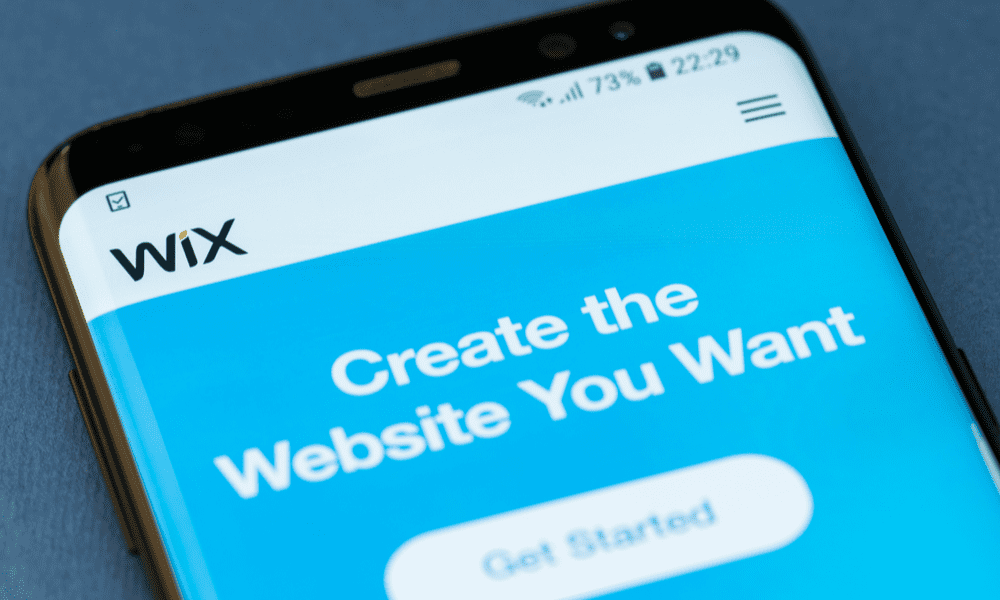
But that doesn’t mean that people are still not interested in learning how to code. Web development has become more accessible than ever before with the emergence of new DIY platforms like Wix, Weebly, and Squarespace. These platforms allow users to create beautiful websites without any coding knowledge necessary.

A study by the Association for Computing Machinery (ACM) found that 59 percent of respondents had learned programming skills at least partially through free online resources. And most respondents said they were motivated by the desire to build their own apps or websites for personal or professional use.

So is there a need for developers? Yes! There is an increased need for programmers as people turn away from traditional methods and learn programming skills from free online resources.

The pros

Many web development companies offer Wix and Weebly as an option for building websites. It’s a DIY model and it’s popular, but is it always the best option?

There are many pros to building a website with Wix or Weebly. They’re easy to use, cost less than hiring a web design company, and there are no coding skills required. You can even add features like social media integration without any technical knowledge.

The cons

As DIY website builders like Wix and Weebly make it easier for anyone to build their own site, many people are saying that web development is dying because there’s no need for professionals.

While it does seem true that these platforms have made it simpler for people to build their own websites, the cons of using them may outweigh the pros.

For example, while they’re easy to use and can be a wonderful platform for one-time projects, you’re limited in the number of pages you can create and how much control you have over your design.

The other downside is that the content on these sites is still not search engine optimized (SEO) so ranking on Google can be difficult.

It’s also worth noting that many of these sites offer free trial periods which means you’ll lose everything if you decide not to pay the monthly fee after a certain amount of time. And even if you choose a paid option, it may end up costing you more than hiring a professional developer in the long run!

Why Wix, Weebly and Squarespace are bad for small business owners?

DIY-platforms-are-easy-to-use
First thing first, Squarespace is easy to use

So, what’s the problem with DIY platforms? They are too easy to use.

Think about it this way: your website is your store window. It doesn’t matter if you’re selling clothes, home decor or food – at the end of the day, people are going to judge your store based on how it looks.

The same thing applies to websites that are made with Wix, Weebly, or Squarespace – they give your customers a bad first impression. Think about it: if you were looking for a restaurant and stumbled across one of these sites, would you trust anything on there? Probably not! You’d probably think it was either made by someone who had no idea what they were doing or it was just a scam.

Furthermore, DIY-based platforms don’t provide all the tools you’ll need for your website development. You won’t have access to developers who can help you with SEO or customer retention campaigns. The DIY platforms also don’t offer any help with long-term business goals and objectives and they aren’t tailored for your specific needs.

Ultimately, it comes down to what you’re looking for in a service provider: Do you want something that takes less time and money or do you want something that will grow your business? If you’re looking for long-term growth, then don’t get stuck on DIY platforms!

All the problems in working with DIY platforms will be solved if you’re thinking about hiring an outsourcing team, the detailed benefits of outsourcing will be talked about in the next section.

Does it cost less to outsource your app development?

outsourcing-web-development
How about outsourcing your web development project?

There are plenty of benefits to outsourcing your app development, but is it cheaper? It doesn’t matter if you’re looking for the cheapest way to develop an app or you want to find the best fit for your business, there are several factors that affect the cost.

Cost-savings when outsourcing is possible when your desired features are already built in a platform like WordPress or Shopify. You can also save money by finding an expert who works remotely and won’t incur travel costs. If you’re developing an app that requires custom coding, however, outsourcers will charge more than they would for a website because it takes more time and effort.

Learn more about these advantages and disadvantages of outsourcing your app development in this post: What is Outsourcing & How Outsourcing works?

Web developer will always grow and develop in future years

The web is going to change in the future. Web developers are going to be needed more often and for a variety of reasons. There will always be a need for new websites, apps, and platforms. The web is not dying out anytime soon. In fact, it’s only growing from here on out!

Web developers have been an essential part of our society for many years. Companies will always have a need for them. You’ll never run out of work or opportunities if you’re a web developer.

Conclusion

It’s been a roller coaster few years for web developers. Back in the early 2000s, it was hard to find a developer. Nowadays, a lot of people are giving up on coding and learning because of new DIY web development platforms.

However, web developers will always grow and develop in the future. As long as there are businesses that need a website, there will be a need for web developers. This industry is growing and changing all the time. Read on the page, and still wondering: is web development dying? The answer is 100% NO.
We’re excited to help you jump on board with the latest technology, so call us today! We provide all of the services needed for any size business and more. Our web development service includes web design, mobile application design and consulting and more,… Please give our team a call if you want an estimate or just some advice on how we can help your company in this new field!

The post Is Web Development Dying? Or Just Evolving? Here’s the answer appeared first on Designveloper.


December 21, 2021 at 11:16PM
from Desigveloper https://ift.tt/3Fk18qO
Share:

Five Advantages of Native Mobile App Development

A smartphone with dozens of apps installed has become the digital era's central icon. To win over clients, modern firms must develop mobile applications, which are downloaded into users' smartphones and kept close at hand whenever their products or services are required.

Native mobile app development and cross-platform mobile app development are the two main techniques to developing apps. The question is how to make a decision.

We'll go through native solutions and their benefits in this article.

What Is Native App Development for Mobile Devices?

This method of development is the typical method of generating applications for each mobile operating system, employing several languages and taking into account the unique characteristics of each platform.

Native mobile apps are designed and optimized specifically for mobile operating systems (Android, iOS, Windows).

If a project necessitates solutions for many mobile platforms, various development teams will be required to work on it.

Native mobile development employs device- and operating-system-specific tools and programming languages. Apple, Google, Microsoft, and other platform suppliers create custom tools, SDKs, and user interface elements.

To create iOS apps, you'll need Objective-C or Swift programming languages, XCode or AppCode environments, as well as the iOS SDK, Cocoa Touch, and other technologies.

You should use the languages Java, Kotlin, or C++, the environments Android Studio or Eclipse, plus Android SDK, Mockplus and other mobile app design tools for Android apps.

To build Windows Phone apps, you need the languages C# or C++, the Microsoft Visual Studio environment, plus Windows Phone SDK, Silverlight SDK and other tools.

A native Android solution will not function on the iOS platform and vice versa.

In contrast, cross-platform mobile solutions are written in universal languages such as JavaScript, HTML, CSS, and frameworks Xamarin, React Native, Ionic, etc. The core feature of cross-platform solutions is platform agnosticism, which means that the software is not tied to a specific platform and is compatible with different devices and operating systems.

Native apps feel at home in target devices because they have complete access to hardware functions (camera, GPS, voice recorder, audio and video files) and software services (calendar, notifications).

Another important aspect is that native apps can work without an online connection, whereas cross-platform solutions demand constant internet access.

Native mobile solutions can be acquired from the App Store and Google Play, respectively.

Five Advantages of Native App Development

Native apps provide a number of major advantages that can be decisive in deciding which type of mobile solution to choose.

1. Consistent Results

When developers design native solutions, they first optimize them for all of the platform's special characteristics and use all of the accessible APIs. As a result, programs receive complete hardware and operating system support and may execute at a high level.

Because their target devices download and store all visual and information elements, native apps are highly responsive and speedy.

2. Extensive Customization

Native development entails using all of the operating system's and device's tools and functionalities. Customers benefit from this flexibility and the capacity to tailor solutions to their own needs and aspirations.


Furthermore, due to a variety of built-in automated testing tools, mobile app testing is significantly easier for native apps. Developers may control and address issues on consumer devices using remote error monitoring. As a consequence, you receive a product that is both efficient and bug-free and satisfies your needs.

3. Provide the best possible user experience

Each mobile platform has its own set of UI/UX guidelines. Native app developers follow these guidelines to create apps that appear and feel like they're part of the operating system.

The user experience is enhanced by such straightforward and interactive solutions. People can quickly interact with a new app since they are familiar with the structure and movements required to complete various tasks. As a result, native mobile solutions assist businesses in attracting more loyal clients.

4. Safety and security

Nowadays, data security takes precedence. Native apps are more secure than cross-platform apps in this aspect. Why? Hybrid solutions take on the security flaws of the platforms and browsers they use. Furthermore, the employment of universal languages in these apps may pose a concern.


Because native applications are built for a single platform, data is secured within a single infrastructure, decreasing the amount of security concerns. As a result of providing a higher level of data protection, you acquire the trust of your audience.

5. Immediate Updating

Native app developers may immediately add new features when Android and iOS make upgrades. Cross-platform engineers, on the other hand, must wait for further tools to update their solutions. The procedure is slowed, and the user experience suffers as a result.


Customers and end-users will see native development as more useful because they will have immediate access to the most recent features.

The Challenges of Native Mobile Apps

Currently, the bulk of mobile apps are developed for many platforms. Developers must use various tools, APIs, environments, and interface design techniques when creating a separate native app for each platform.


As a result, hiring three independent teams to build three versions of one program compatible with three platforms is likely. The entire cost of your project could be three times greater, not to mention the time it takes to get to market.

Considerations for Mobile Development

If you're having trouble deciding whether native or hybrid mobile development is better for you and your consumers, consider the following questions:

  • What's your timetable like?

  • What is your financial plan?

  • Is it necessary for your software to run smoothly?

  • Is it necessary for your app to have fast updates?

  • Is your app's offline mode required?

You can now compare your answers to the information in our table to see which method is ideal for you. Then you can create app with your mobile app ideas.

You can see that native development is better in terms of performance and user experience, whereas cross-platform development solves the issue of high costs and extended timeframes.


Our mobile specialists' broad knowledge could be quite beneficial to your project. To schedule a consultation, fill out the contact form right now.

Article source: Designveloper

Share:

Popular Post

Web Design

5 Quick-fire portfolio tips from design experts

Your design portfolio is one of your most useful tools. It can win you commissions, help you snag a new design job, attract collaborators, a...

Labels

Most view post